
NRTC Holds Two Specialized Meetings on Media Strategy and Civil Society Representation
Baghdad – NRTC HQ - September the 12th 2026
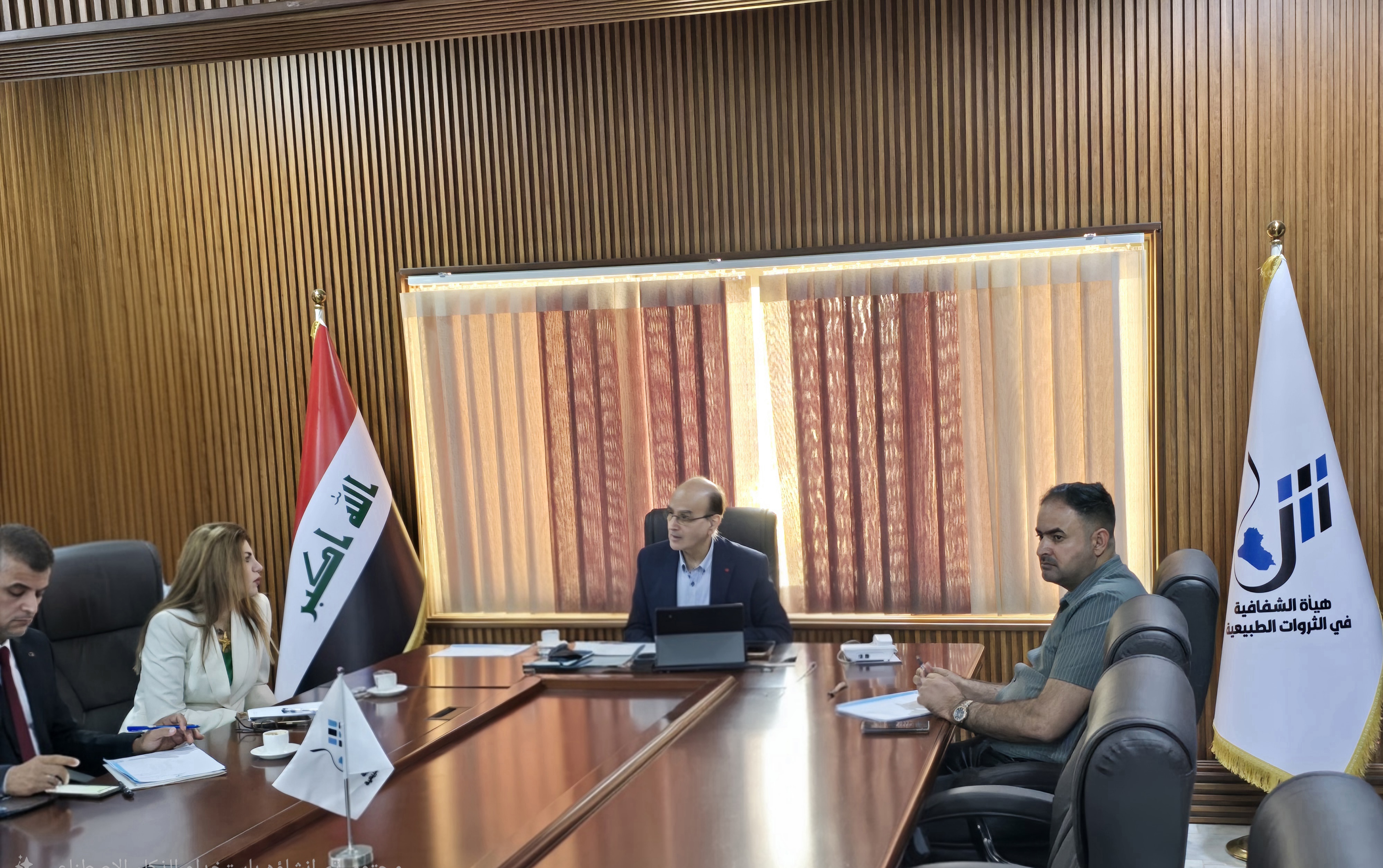
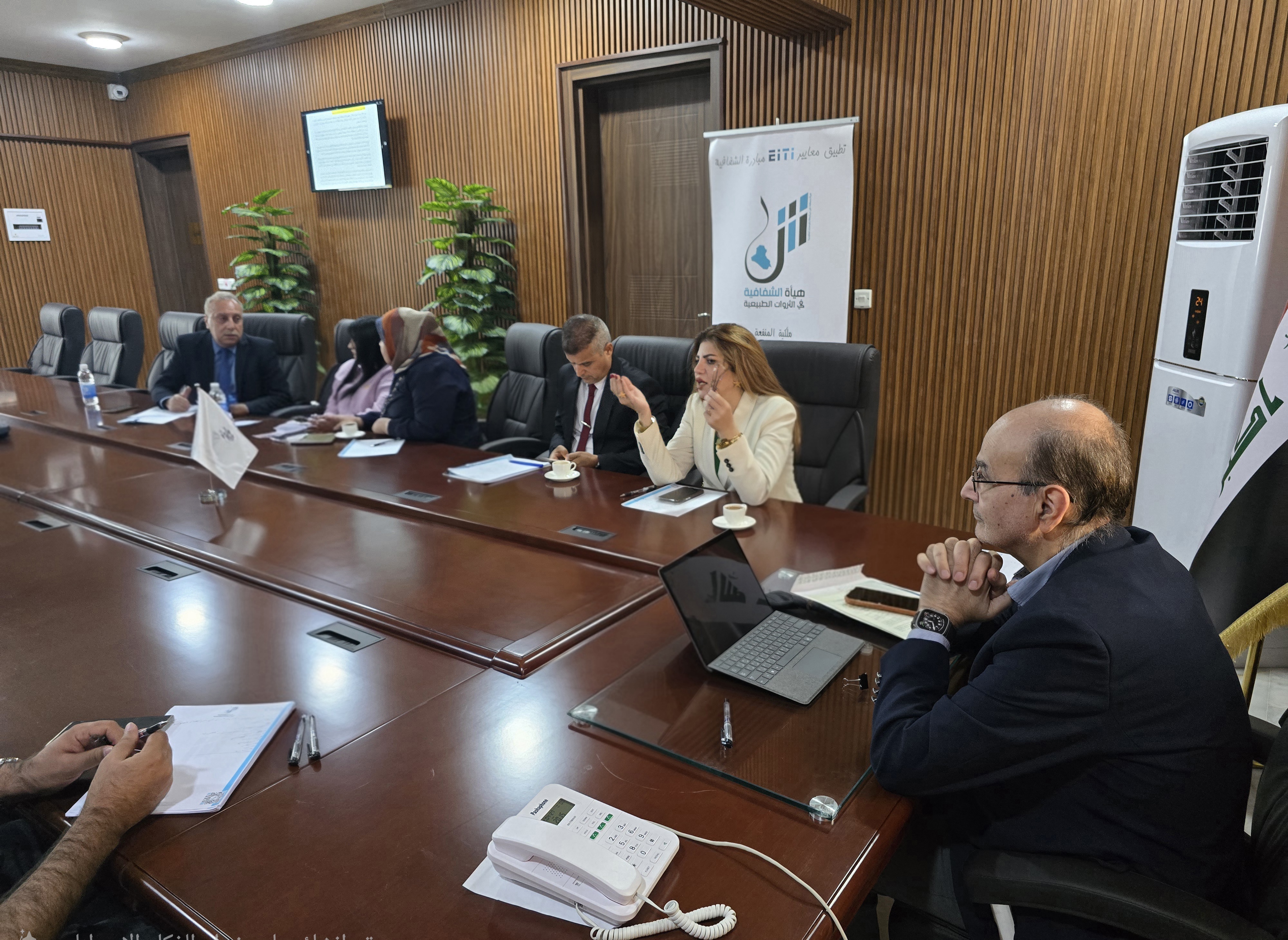
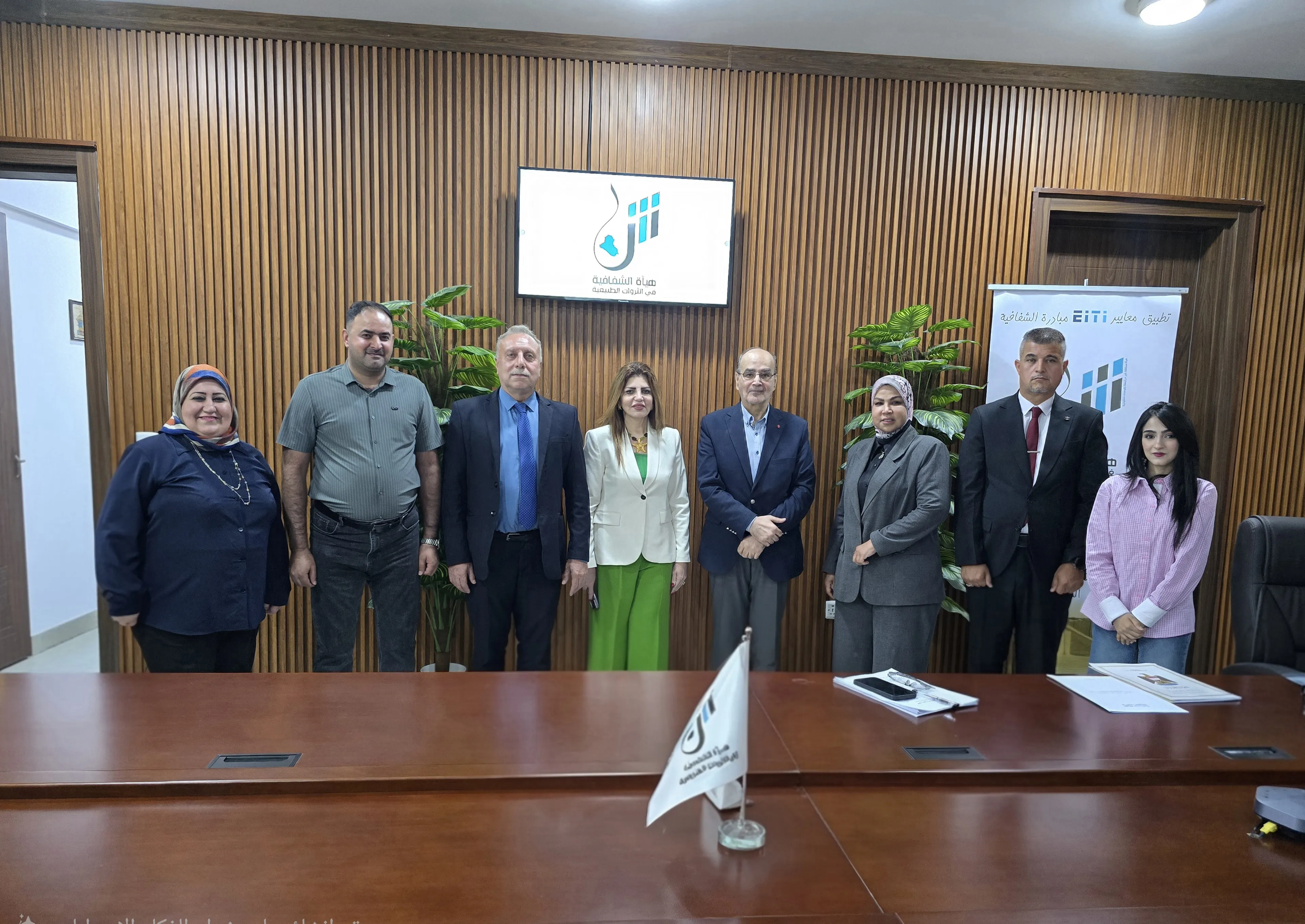
The Natural Resources Transparency Commission (NRTC) held two extensive specialized meetings at its headquarters in Baghdad, chaired by Executive Director Mr. Alaa. These meetings come within the framework of the commission's strategy to upgrade media performance, strengthen the pillars of transparency and partnership with stakeholders and civil society, and follow up on the requirements of the Extractive Industries Transparency Initiative (EITI).
Part I: Formulating Media Discourse and Impact Assessment
The headquarters hosted the first session dedicated to examining "Media Plan Requirements and Impact Assessment Mechanisms," with the participation of a select group of media professionals and academic experts, including Dr. Nebras Abdul-Hussain Al-Maamouri, Ms. Alaa Al-Moussawi (Head of Anana Media Agency), and journalist Mr. Haider Abbas Taher.
During the opening session, the Executive Director reviewed the objectives of the media umbrella adopted in the action plan, emphasizing that media work should not be limited to routine coverage, but rather anchored on two main tracks:
- Effective Marketing and Publishing: Expanding the publication and distribution of the commission's periodic outputs to ensure direct access to stakeholders.
- Impact Assessment: Establishing investigative and field mechanisms to measure data reach among the public and test the impact of transparency on citizens and decision-makers.
The session featured valuable expert interventions. Dr. Nebras Al-Maamouri praised Iraq’s precedent in formulating media plans compared to international experiences, emphasizing digital documentation and specialized staff. Meanwhile, Ms. Alaa Al-Moussawi called for simplifying complex technical terminology in oil reports to make them accessible to non-specialized audiences. Additionally, Mr. Haider Abbas Taher proposed a dual strategy dividing media discourse into specialized discourse targeting elites and investment companies, and simplified public discourse focused on accuracy rather than fast trends.
Part II: Addressing Regulatory Impasse in Civil Society Representation
At 12:00 PM, the second meeting commenced to discuss the regulatory deadlock within the Multi-Stakeholder Group (MSG), joined by Dr. Haider Al-Kofishi (Head of the Sustainable Green Smart Cities Organization) and Dr. Zainab Abdaish (Baghdad University professor and Head of the Horizons of Tomorrow Organization for Sustainable Development).
The meeting featured a comprehensive diagnosis of the deadlock caused by organizational issues among elected members (principals and alternates), particularly regarding participation scopes and divergent stances that led to a complete suspension of sessions.
NRTC Executive Director Mr. Alaa reaffirmed the commission's firm stance of non-interference in independent organizations' decisions, respecting international EITI regulations that mandate civil society independence. Meanwhile, Dr. Haider Al-Kofishi presented a practical solution proposing the selection of three alternate names from the remaining eight candidates on the officially approved electoral list to complete the current term. Discussions also touched upon utilizing the NGO Directorate to sponsor an administrative settlement meeting without compromising organizational independence.
Key Outcomes and Joint Recommendations
The two meetings concluded with several core practical steps:
- Media Plan Development: Preparing a flexible draft combining specialized coverage targeted at economic sectors with simplified public messaging, supported by a specialized documentation unit.
- Comprehensive Settlement Session: Holding a dedicated session with civil society stakeholders to review Dr. Haider Al-Kofishi's proposal regarding the selection of new representatives from the remaining list independently.
- Resuming MSG Meetings: Submitting final outcomes approved by civil society to the management in an official certified file, paving the way to resume Multi-Stakeholder Group sessions across all three pillars (Government, Companies, and Civil Society).